Career guides for resumes, job searches, and interviews
Purzue publishes practical guides for people looking for work. Each one takes a single decision, like which resume format to use or how to answer an offer, and explains it with examples you can adapt.

Guides for each stage of a job search
Resumes
Choose a format, tailor it to each posting, and keep it readable for applicant tracking systems.
Job search
Cover letters, a LinkedIn profile recruiters can find, and the right attachments for the role.
Interviews
Answers built on real stories, questions worth asking, and a plan for the offer conversation.
Start with the job posting
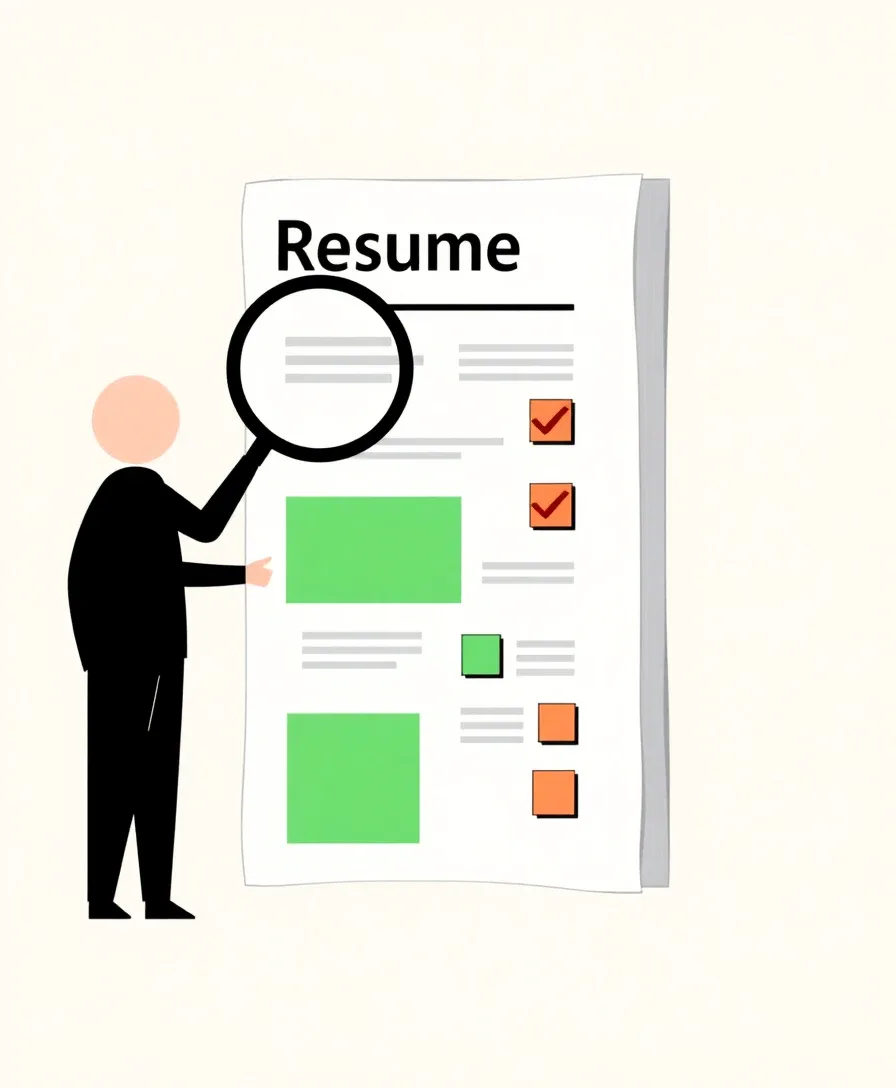
Almost every step of a job search gets easier once you're working from a specific posting. It tells you which resume format shows your experience best, which requirements to put at the top of the page, and which words a recruiter is likely to search for. The guide to tailoring a resume to a job posting starts there, and the ATS article explains how applicant tracking systems read what you send.
The same list of requirements carries through the rest of the process. It decides what your cover letter argues, which skills belong on your LinkedIn profile, and which stories you prepare with the STAR method. By the time an offer arrives, you'll know the role well enough to negotiate the salary with real reasons behind your number.

Preparing for a behavioral interview
Many interviews include questions about things you've already done, like a deadline you nearly missed or a disagreement with a colleague. Answers go better when you've chosen your stories in advance and know how to tell each one in about two minutes. The interview guides cover the stories, your own questions for the interviewer, and the salary conversation that follows a good interview.